Joaquín Trincado
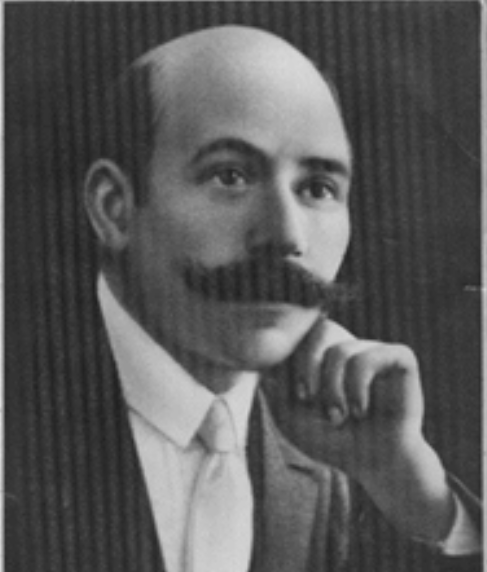
In the Spanish-American Spiritist movement, the name of Joaquín Trincado is widely known and respected, both for his written work and for the remarkable effort he made to spread the fundamentals of Spiritism and to bring them into harmony with the moral and social progress of humanity.
He was born in Cintruénigo, a small town in Navarre, on 19 August 1866. From an early age he showed an ideological inclination towards liberal, republican and socialist ideas. He emigrated to Argentina in 1903, where he worked as an electrical technician and lived through alternating periods of prosperity and hardship. In Buenos Aires he married Mrs. Mercedes Riglos, with whom he had three children.
In 1909, he became acquainted with Spiritism in the "Constancia" Society, the oldest of the Argentinean Spiritist institutions, founded in 1877. Soon after, he disagreed with the criteria and orientations that prevailed there and set out to put his own ideas in order, write books and found a new spiritism organisation. Thus, in 1911, the "Spiritual Magnetic School of the Universal Commune" was born, to whose growth and consolidation he devoted himself body and soul. Guided by the strong and charismatic personality of its founder, the EMECÜ achieved notable repercussions in several Spanish-speaking countries, and its classrooms of studies or Chairs were organised with a high sense of mysticism and discipline. Demonstrating an extraordinary capacity for work, he wrote numerous works, the best known titles of which are: "Buscando a Dios" (Looking for God), "El Magnetismo en su origen o Método Supremo" (Magnetism in its Origin or Supreme Method), "El Espiritismo en su Asiento" (Spiritism in its Seat), "Filosofía Austera Racional" (Rational Austere Philosophy), "Conócete a ti Mismo" (Know thyself), etc....

The doctrine expounded by Trincado agrees with the spiritism philosophy codified by Allan Kardec in the 19th century, in its basic postulates: existence of God, pre-existence and survival of the spirit, reincarnation, communication of spirits and the plurality of inhabited worlds; even though there are some semantic and conceptual differences between the two.
Trincado placed special emphasis on separating Spiritism from any religious tendency; on combating the quackery, superstitious and mercantilist practices that are too often presented in its name; and on giving Spiritist doctrine a progressive sense in favour of justice and social equality. He was always and forcefully in favour of a rationalist and free-thinking Spiritism, against dogmatism and clericalism.
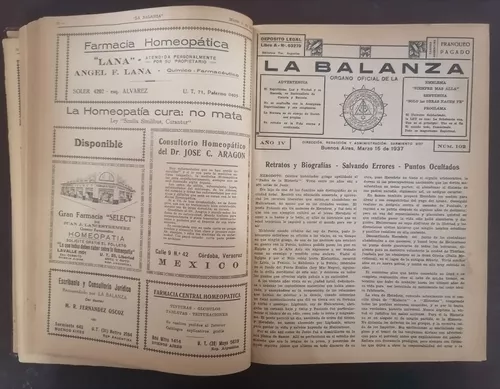
In the pages of the magazine "La Balanza", which he founded in 1933 and which circulated fortnightly, he made pronouncements on the most disturbing issues of his time, declaring himself a supporter of the independence of Puerto Rico, supporting the patriotic deeds of Augusto César Sandino in Nicaragua, advocating the union of Hispanic countries, opposing local and international wars, denouncing capitalist voracity and demanding satisfaction of the basic demands of the humble and neglected sectors of society. Following his teachings, which advocated economic egalitarianism, without private property or social classes, several communal farms were founded in Argentina, dedicated to agricultural production, which enjoyed great prosperity in their initial hands.
Affected in the lungs and heart, the illustrious thinker and consistent spiritism fighter disincarnated at his home in the Argentine capital on 6 December 1935.
 English (UK)
  Español
  Deutsch
  Português do Brasil
  Français
  Русский
  Türkçe
  Italiano