Patience and Kindness
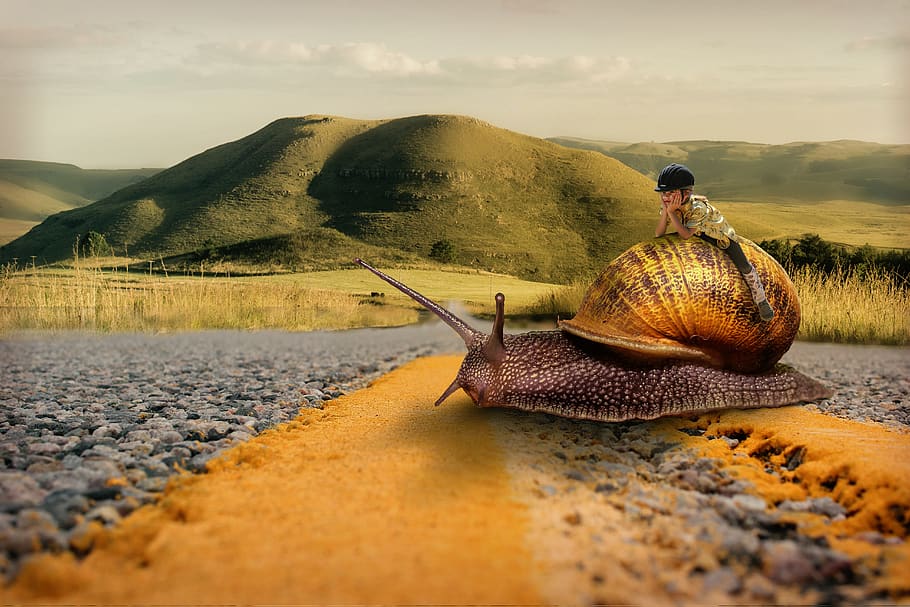
If the pride is the mother of a multitude of vices, charity gives birth to many virtues. Patience, gentleness and reserve in conversation derive from it. It is easy for the charitable man to be patient and gentle and to forgive the offences done to him. Mercy is the companion of kindness. An elevated soul can neither know hatred nor practise revenge. It hovers above base grudges; it sees things from above. Realising that the errors of men are but the result of their ignorance, it has no conception of bitterness or resentment. He knows only how to forgive, how to forget the wrongs of others, how to annihilate every germ of enmity, how to erase every cause of discord in the future, both on Earth and in the life of Space.
The charity, gentleness, forgiveness of injuries make us invulnerable, insensitive to baseness and perfidy. They bring about our progressive emancipation from earthly vanities, and accustom us to direct our gaze towards things which deception cannot reach.
Forgiveness is the duty of the soul that aspires to the higher heavens. How often do we ourselves have no need of such forgiveness? How often have we not asked for it? Let us forgive, that we may be forgiven! We could not obtain for ourselves what we refuse to others. If we want revenge, let it be by good deeds. The good done to the one who offends us disarms our enemy. His hatred is changed into astonishment, and his astonishment into admiration. By awakening his slumbering conscience, this lesson may produce in him a deep impression. By this means, perhaps by enlightening it, we have wrested a soul from perversity.
The only evil to be pointed out and combated is the evil that befalls society. When it presents itself in the form of hypocrisy, duplicity, lies, we must unmask it, for other people may suffer from it; but it is beautiful to keep silent about that which concerns only our own interests or our own self-love. Revenge, in all its forms, mourning or war, is the remnant of primitive savagery, the heritage of a barbarous and backward world. Can anyone who has glimpsed the grandiose interlacing of higher laws, of that principle of justice whose effects reverberate through time, think of revenge?
To take revenge is to make two faults, two crimes out of one: it is to make oneself as guilty as the offender himself. When outrage or injustice hurts us, let us impose silence on our wounded dignity, let us think of those who, in the dark past, were offended, outraged, despoiled by ourselves, and let us bear the injury as a reparation. Let us not lose sight of the purpose of existence, which such accidents would make us forget. Let us not abandon the straight and sure path; let us not be dragged by passion down dangerous slopes which would lead us to bestiality; let us rather ascend these slopes with great courage. Revenge is a folly that would cause us to lose the fruit of good, of progress, to go back on the road we have travelled. Some day, when we have left the earth, we may bless those who were harsh and merciless to us, who despoiled us and filled us with bitterness; we will bless them, for out of their iniquities will have come our spiritual happiness. They thought they had done us wrong, and they facilitated our advancement and our elevation, by giving us the occasion to suffer without murmuring, forgiving and forgetting. Patience is that quality which teaches us to bear all adversities calmly. It does not consist in extinguishing all sensation in us, in leaving us indifferent and inert, but in looking beyond the horizons of the present for the consolations which cause us to regard the tribulations of material life as futile and secondary.
The patience leads to benevolence. Like mirrors, souls send us the reflection of the feelings that inspire us. Sympathy calls for sympathy, and indifference breeds acrimony.
Let us know, when necessary, to rebuke gently, to discuss without exaltation, to judge all things with moderation and benevolence; let us flee from all that excites and overexcites.
Let us beware, above all, of anger, which is the awakening of all the savage instincts deadened by progress and civilisation, a reminiscence of our dark lives. In every man, the beast still remains in certain aspects: the beast that we must tame by dint of energy, if we do not want to be dominated and enslaved by it. In anger, these dormant instincts awaken and make a beast of man. Then all dignity, all reason and all self-respect vanish. Anger blinds us, makes us lose consciousness of our actions, and, in its fury, can even lead us to crime.
It is the nature of a sensible man always to restrain himself, and anger is an indication of a backward character. He who is inclined to it, should be careful to guard his emotions, to stifle in himself the feeling of personality, to take care to do or give nothing, so long as he feels himself under the sway of that fearful passion.
Let us strive to acquire goodness, the ineffable quality and halo of old age; goodness, which supposes for its possessor that worship of the heart, rendered by the humble and the weak to their supporters and protectors.
Indulgence, sympathy and kindness appease men, attract them to us, dispose them to lend a trusting ear to our opinion, whereas severity repels them and drives them away. Kindness thus creates for us a kind of moral austerity over souls, it gives us more means of moving them and directing them towards the good. Let us, then, make of this virtue a torch with whose help we can bring light to the darkest minds, a delicate task, but one which will make easier a little love for our brothers and sisters combined with a deep feeling of solidarity.
León Denis – The Straight Path ┃ Spiritist concept of the moral law
 English (UK)
  Español
  Deutsch
  Português do Brasil
  Français
  Русский
  Türkçe
  Italiano