Charles Robert Richet
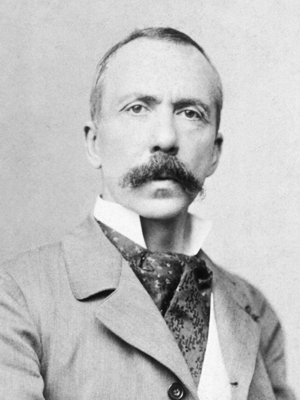
Known as the founder of Metapsychics, Charles Richet (1850-1935) played a fundamental role in unravelling the unknown world of psychic phenomena. In 1905, as president of the Society for Psychical Research in London, he proposed the name Metapsychics for this body of knowledge.
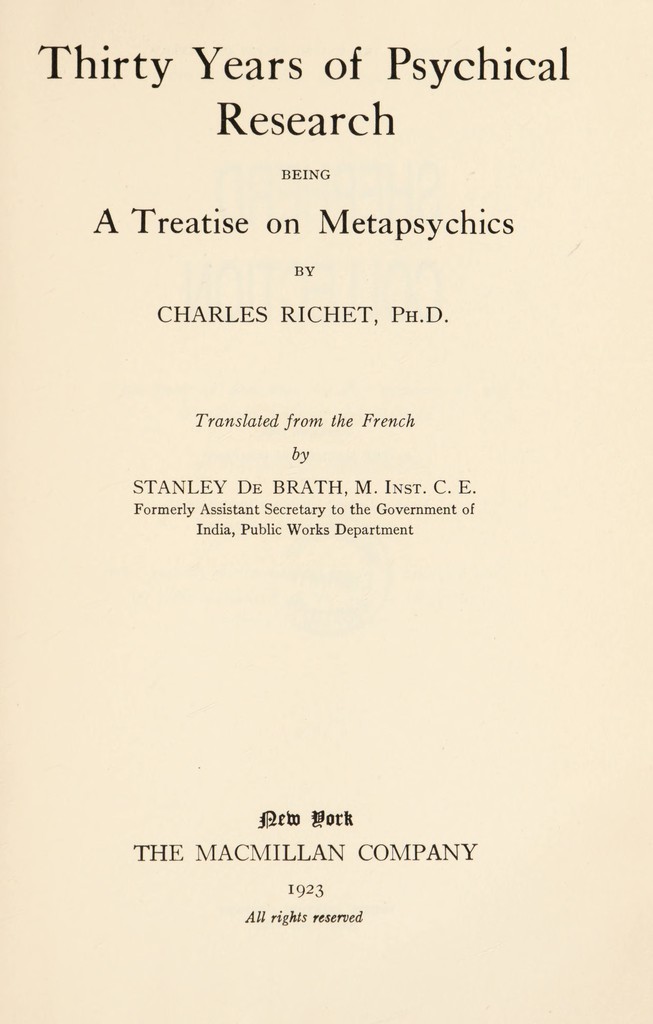
His most famous work, "A Treatise on Metapsychics", is a veritable treasure trove of facts and detailed descriptions of psychic experiences, historical and classificatory descriptions which contributed greatly to its development. His greatest contribution, without a shadow of a doubt, was the study of ectoplasm, the substance responsible for the viability of so-called objective phenomena.
It was he who, for the first time, called the substance emanating from the mediums of physical effects ectoplasm, referring then to the fluids emanating from Eusapia Paladino (one of the greatest mediums in the history of Spiritism): «they are the diffuse formations that I call ectoplasms; because they seem to come out of Eusapia's own body».
In an experiment with the medium Marthe Béraud, Charles Richet and Gabriel Delanne had the "materialised" woman blow the air from her lungs through an aqueous solution of baryta, using a small tube. The result was that the liquid became cloudy, revealing the presence of carbon dioxide, a phenomenon peculiar to normal living organisms.
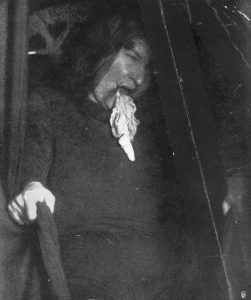
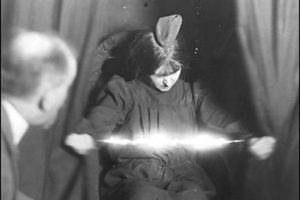
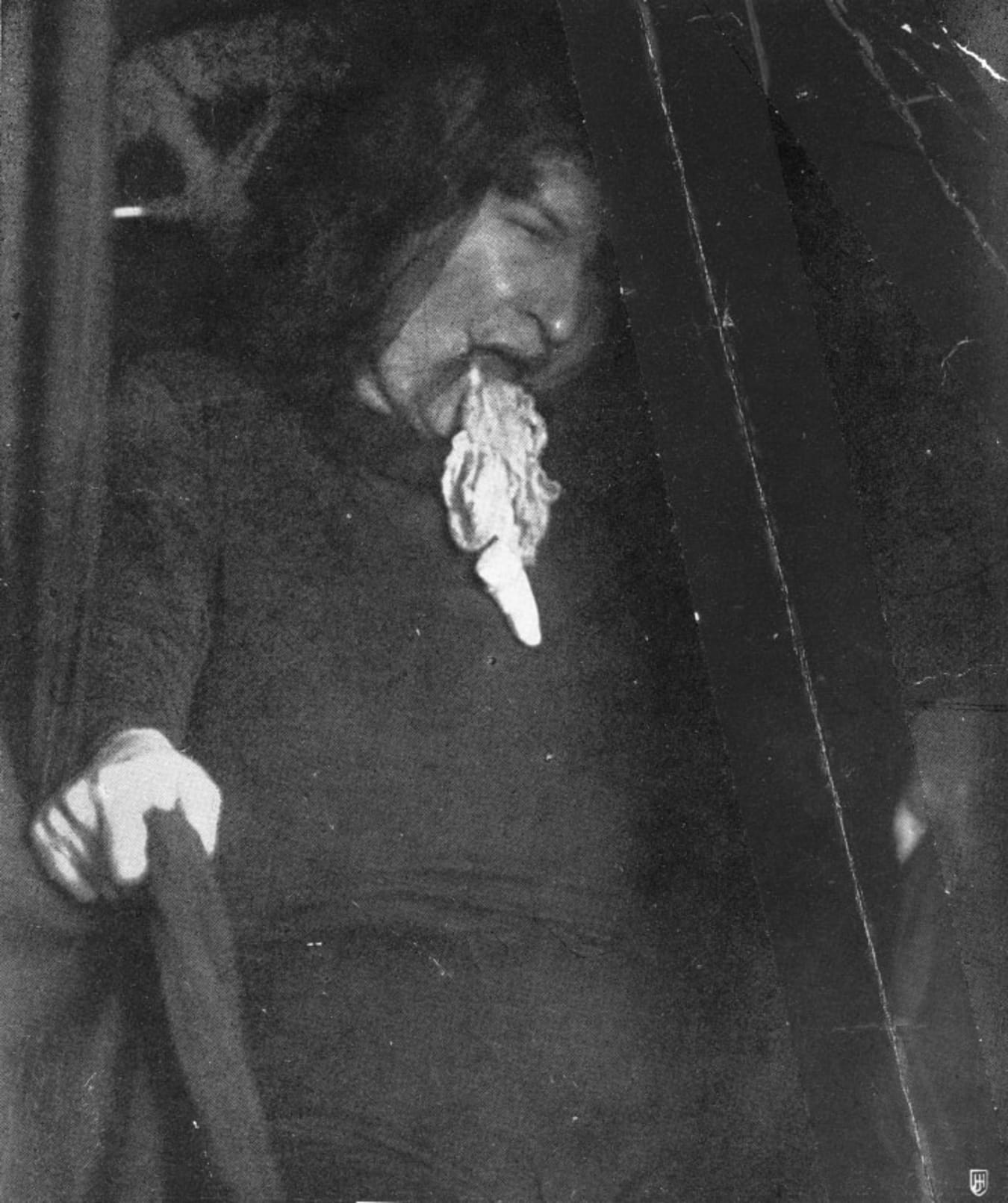
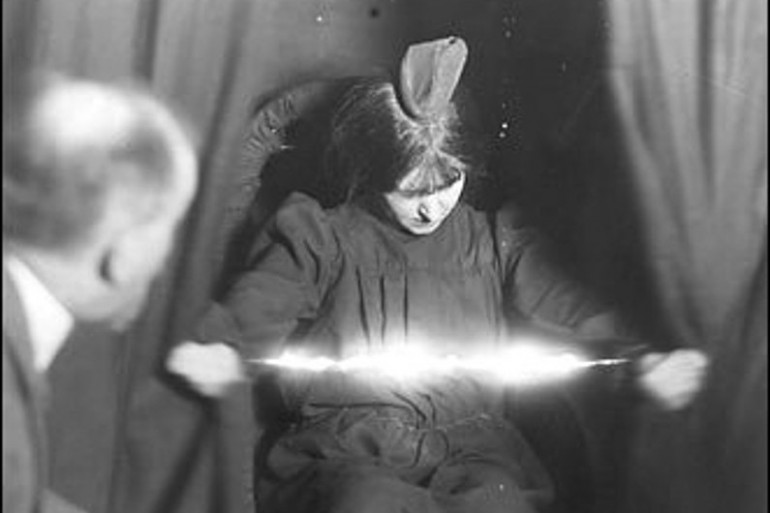
Richet's Metapsychics was composed of the following phenomena: cryptesthesia, telekinesis and ectoplasm. For him, Metapsychics was the core of a new psychology. In his Treatise, Richet classified the history of metapsychic phenomenology into four periods:
1st Mythic Period; 2nd Magnetic Period; 3rd Spiritual Period; 4th Scientific Period. Charles Richet classified metapsychic phenomena into two general groups: Subjective Phenomena, which occur exclusively in the psychic area, without any dynamic action on material objects (years before, Allan Kardec called these phenomena Intelligents). And the Objective Phenomena, whose manifestation implies physical action on material objects (in spiritism language, Physical Phenomena). This classification is still used today.
Charles Richet never claimed to be a spiritist, but a scholar of metapsychic phenomena (...) he even won a Nobel Prize.
Like Kardec, the metapsychics also believed in the rapid progress of the psychical sciences, and indeed received some encouragement with the advent of Rhine's Parapsychology.
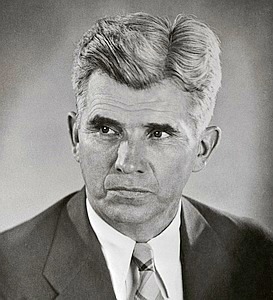
At the beginning of the last decade, many had high hopes for research centres in the Soviet Union, but then the iron curtain fell and what about psychobiophysics?
The truth is that researchers of the calibre of the great metapsychists, including the English spiritism, do not appear so often. We transfer our expectations to the next century, which will be able to bring to the public at large what Kardec, Richet and so many others tried so hard to study, classify and teach, but which did not reach universal knowledge.
When he died, at the age of 85, there were many repercussions all over the world, including from notable spiritists such as Carlos Imbassahy: "Richet was, in action, one of the greatest spiritists of his century, he always dedicated his activity in favour of peace and fraternity". The following year, Humberto de Campos sent Chico Xavier an interesting message entitled "The Passing of Richet", transcribed in full in the book by Samuel Magalhães.
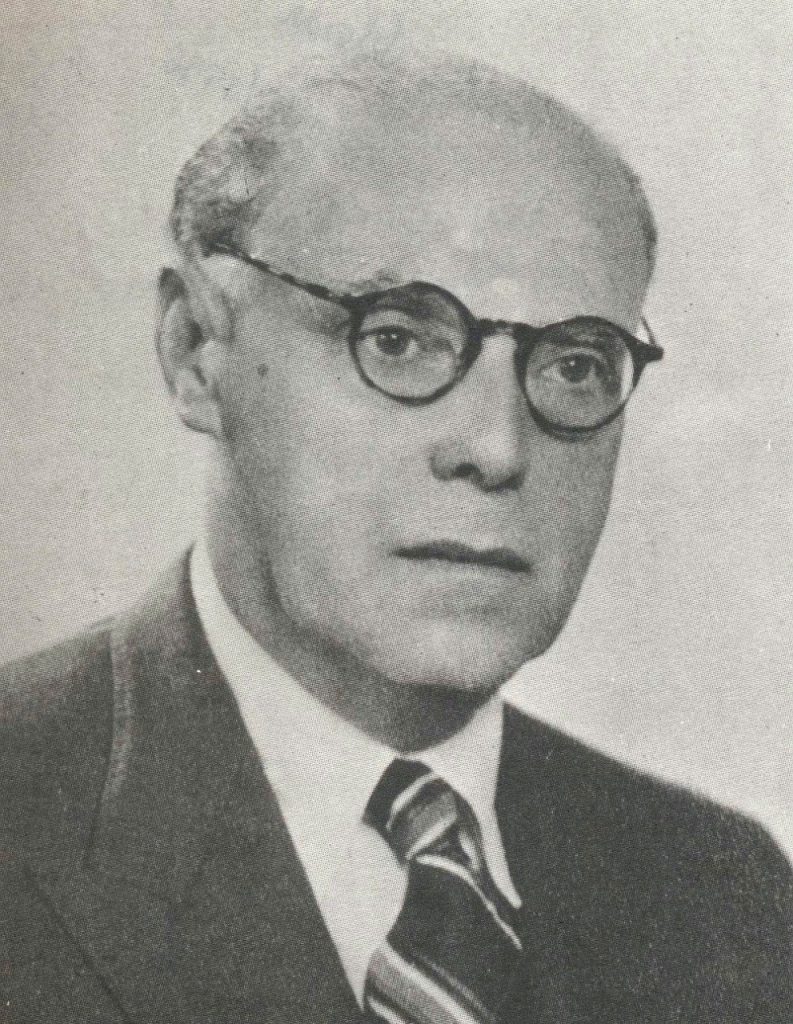
The book also includes an interesting collection of texts by Richet, where you can learn more about the French scientist's thinking.
 English (UK)
  Español
  Deutsch
  Português do Brasil
  Français
  Русский
  Türkçe
  Italiano